Financial Literacy: The Simple Habit That Can Transform Your Financial Future in Kenya and Beyond
Every Great Financial Journey Begins with One Small Decision
Mary had a steady job in Nairobi. Every month, she earned a decent income. Yet, somehow, she always found herself waiting for payday. Meanwhile, her friend James earned almost the same salary. However, he managed to save consistently, invest wisely, and prepare for emergencies.
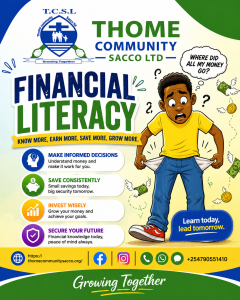
What made the difference?
It was not luck. It was not a bigger paycheck either.
Instead, it was financial literacy.
Moreover, financial literacy is not reserved for economists or accountants. It is a practical life skill that helps ordinary people make better money decisions every single day.
What Is Financial Literacy?
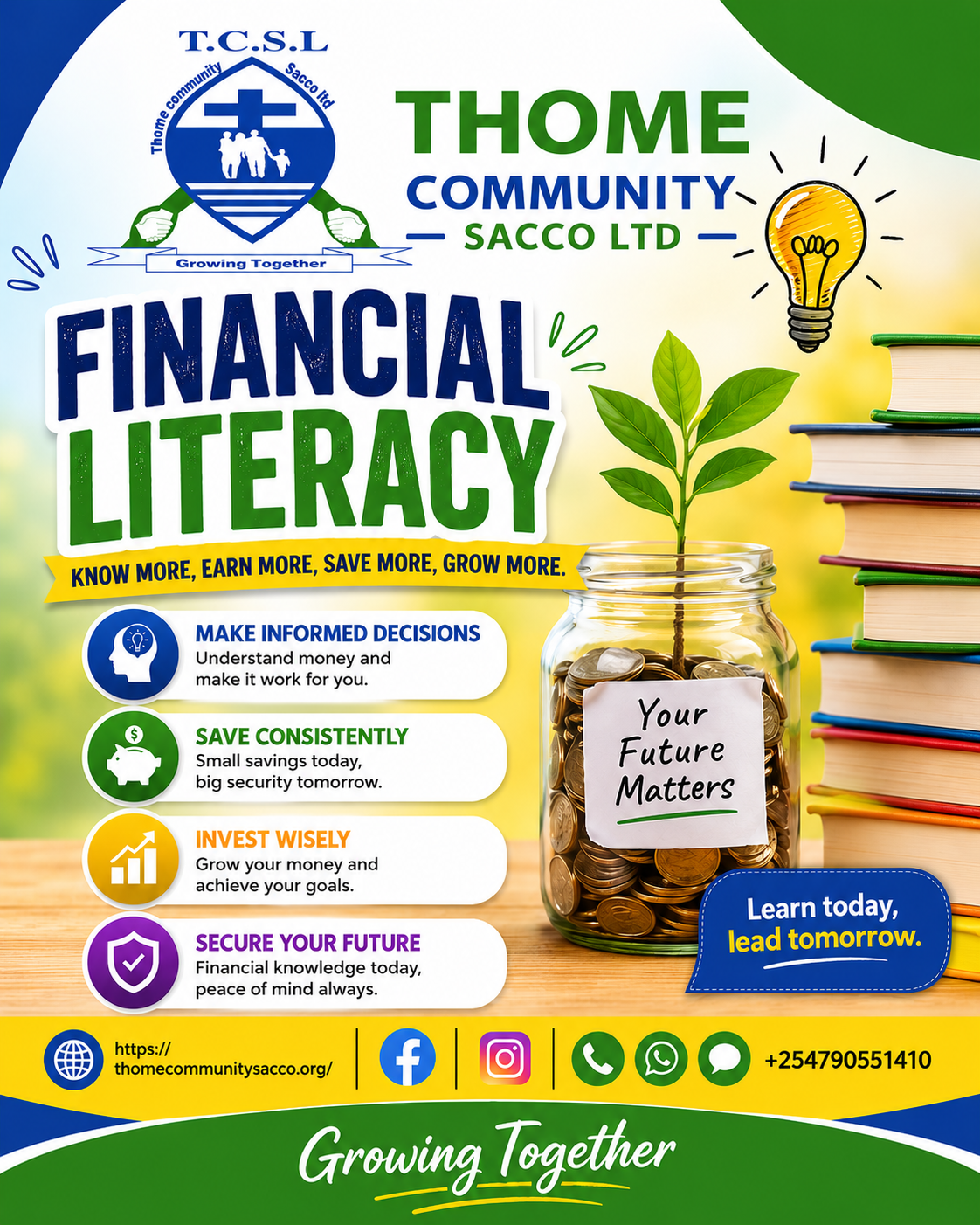
Financial literacy is the ability to understand and use financial knowledge effectively. In addition, it helps people budget, save, borrow responsibly, invest wisely, and plan confidently for the future.
Simply put, it means knowing how money works and making informed choices that improve your financial well-being.
Furthermore, financial literacy empowers families, businesses, and communities to build sustainable prosperity.
Why Financial Literacy Matters More Than Ever
Today, the financial world changes quickly. Consequently, people face more choices than ever before.
Without financial knowledge, it becomes easy to:
- Spend beyond your income.
- Accumulate unnecessary debt.
- Miss investment opportunities.
- Fall victim to financial scams.
- Delay important financial goals.
On the other hand, financially informed individuals can:
- Create realistic budgets.
- Build emergency savings.
- Plan for retirement early.
- Invest with confidence.
- Grow wealth steadily over time.
Therefore, learning about money is one of the smartest investments anyone can make.
Five Simple Financial Literacy Habits You Can Start Today
1. Create a Monthly Budget
First, list your income and expenses. Then, identify unnecessary spending and redirect that money toward savings or investments.
2. Save Before You Spend
Instead of saving what remains, save immediately after receiving your income. As a result, consistent saving becomes a habit rather than an afterthought.
3. Understand the Difference Between Needs and Wants
Although both are important, needs should always come first. Consequently, prioritizing essentials creates greater financial stability.
4. Learn Before You Invest
Every investment carries some level of risk. Therefore, take time to research and understand opportunities before committing your money.
5. Keep Learning
Financial markets evolve constantly. Likewise, your knowledge should continue growing through books, workshops, trusted financial institutions, and educational resources.
Financial Literacy and the Role of SACCOs
Savings and Credit Cooperative Organizations play an important role in promoting financial inclusion and responsible money management.
Additionally, SACCOs encourage disciplined saving habits while providing access to affordable credit and financial education.
For many Kenyans, joining a trusted SACCO becomes the first practical step toward achieving long-term financial independence.
Financial Literacy Is for Everyone
Whether you are a student, entrepreneur, employee, retiree, or business owner, financial literacy remains valuable.
Furthermore, parents who teach their children healthy money habits create lasting generational impact. Similarly, young professionals who start saving early often enjoy greater financial flexibility later in life.
Above all, financial education is not about becoming rich overnight. Instead, it is about making smarter decisions consistently.
Final Thoughts
Imagine where your financial life could be one year from now if you made one better money decision every day.
After all, wealth is often built through small, consistent actions rather than dramatic changes.
So, start today. Learn continuously. Save intentionally. Budget wisely. Invest carefully.
Because financial literacy is not simply knowledge, it is the key that unlocks financial confidence, security, and opportunity for generations to come.